
Last updated November 21, 2026
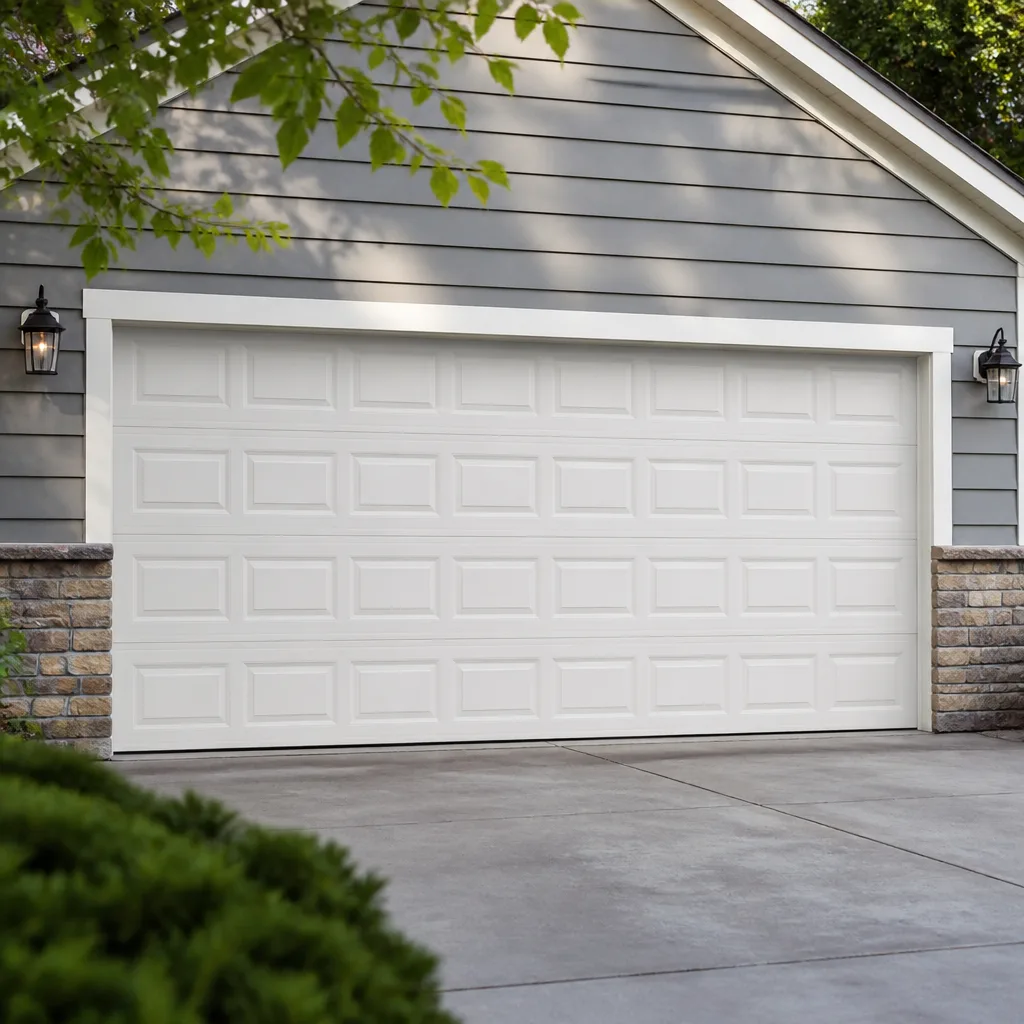 Raised-panel steel
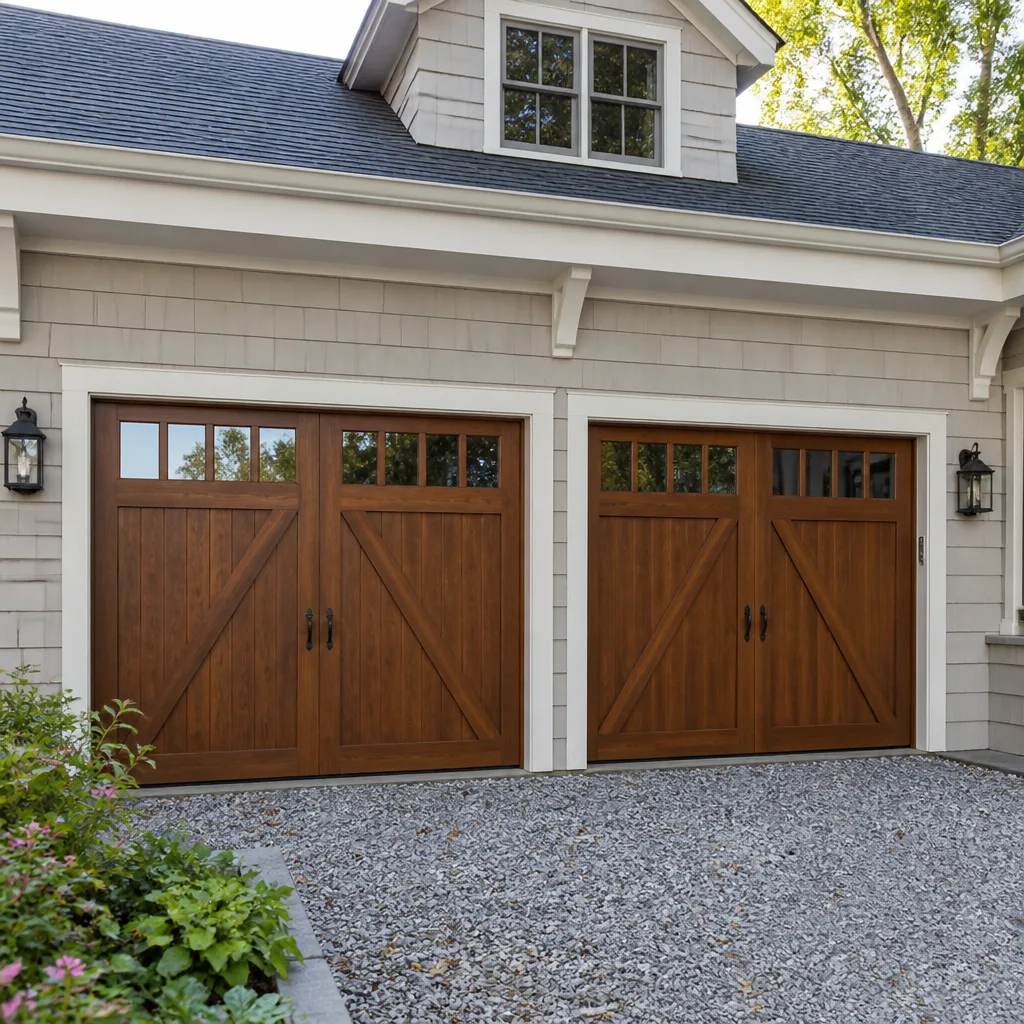 Carriage house
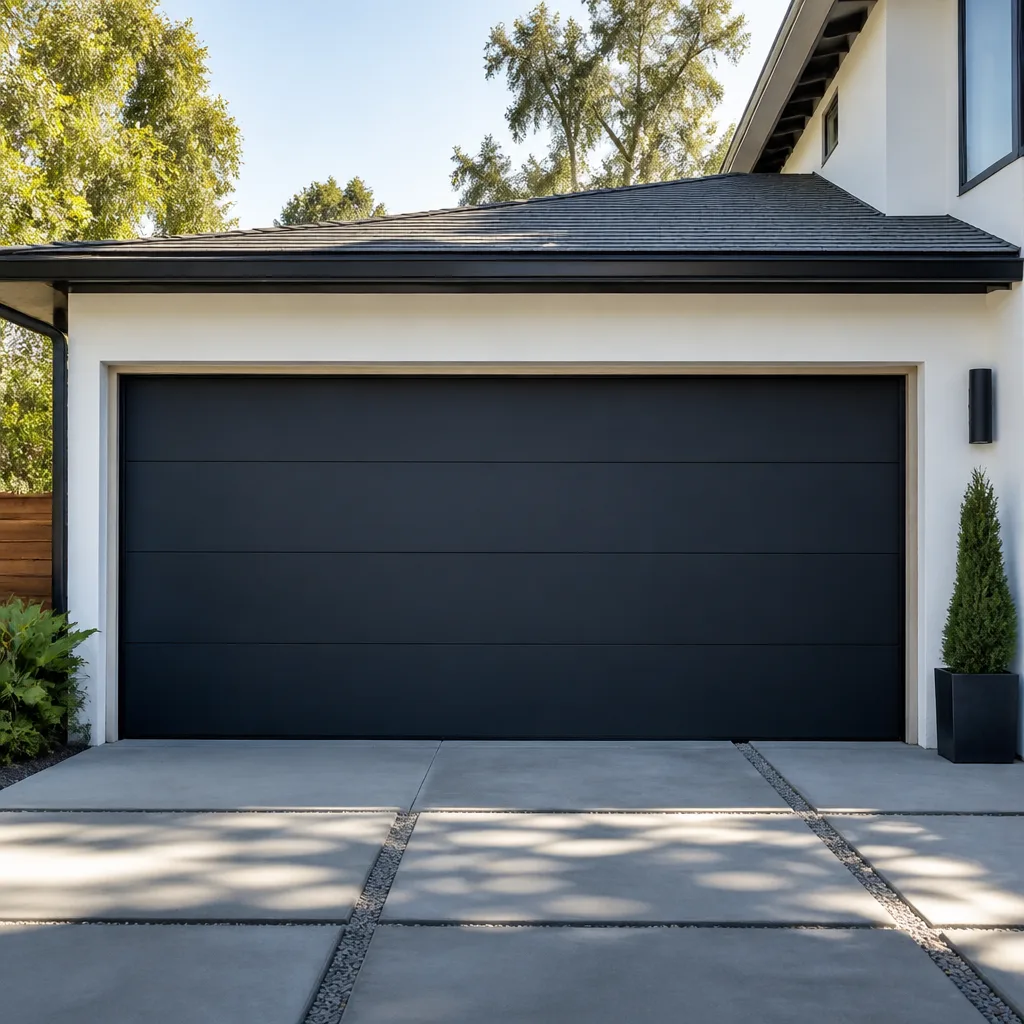 Modern flush
 Full-view glass
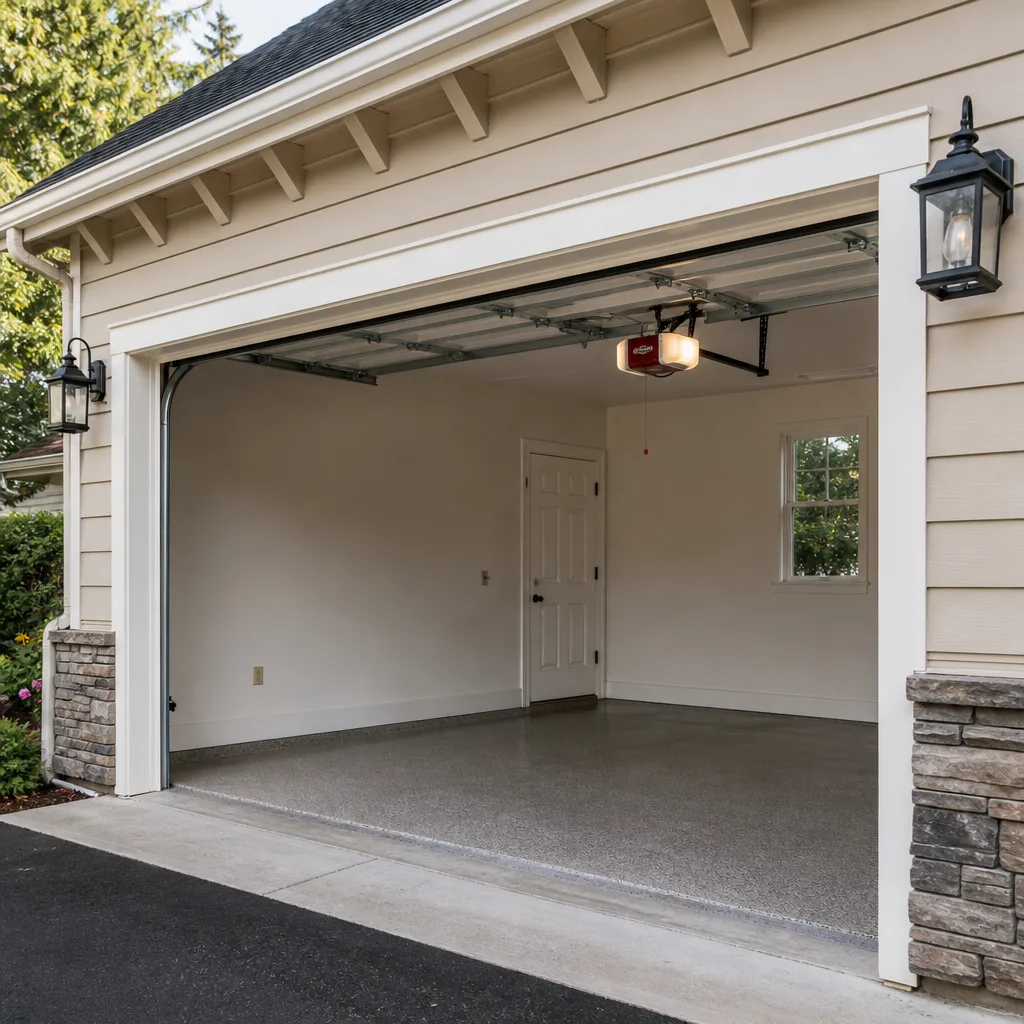 LiftMaster openers
 Chamberlain openers
Full 25-point door and opener safety check with every visit - springs, cables, rollers, tracks, and your LiftMaster or Chamberlain opener included
You get a price before we start. It does not change when the pro arrives.
Get your free estimateHow to Hire a Garage Door Contractor in Noblesville: A Step-by-Step Guide
Indiana doesn’t require a specialty license to work on garage doors, which means the person who painted your neighbor’s deck last summer can legally charge you to replace your torsion springs tomorrow. That’s not a reason to panic. It’s a reason to ask better questions before you hand anyone a deposit. Most homeowners hire a garage door contractor the way they hire a landscaper: a couple of calls, a price, a date. Garage doors are different. They’re a high-tension mechanical system with springs under serious load and an opener wired into your home’s electrical. Get the hire right and a Noblesville door lasts and stays safe. Get it wrong and you’re paying twice. This guide walks you through the whole process, from the first phone call to the warranty paperwork, so you can tell a specialist from a generalist before anyone shows up at the door.
Quick Answer
To hire a garage door contractor in Noblesville, verify what the contractor actually is: a dedicated garage door company rather than a general handyman, with experience on your specific brand, a written itemized estimate, a clear labor and parts warranty, and proof of general liability insurance. Ask five screening questions on the first phone call, get at least two written estimates, and read what’s excluded before you sign. Indiana does not license garage door specialists, so your vetting process is the only real credential check.
Styles & brands we work with
- Raised-panel steel
- Carriage house
- Modern flush
- Full-view glass
- LiftMaster openers
- Chamberlain openers
Table of Contents
- What Indiana Licensing and Insurance Actually Cover
- The Five Questions to Ask Before You Schedule an Estimate
- How to Read a Garage Door Estimate
- Why Brand Familiarity Matters (And When It Doesn’t)
- What a Real Warranty Looks Like vs. a Verbal Promise
- Specialist vs. Generalist: The Real Difference
- Timing Your Repair Around Noblesville Weather
- Common Mistakes to Avoid
- When to Call a Professional
What Indiana Licensing and Insurance Actually Cover
Indiana does not issue a specialty license for garage door installation or repair. There is no state exam, no garage-door-specific credential and no state registry to check. That surprises most Noblesville homeowners, and it’s the single most important fact in this guide. What Indiana does regulate is general contractor work and certain electrical and structural categories, but a person replacing your springs or aligning your track isn’t required to hold a trade license specific to that work.
So what do you actually verify? Two things, and you verify them yourself rather than taking a phone answer at face value.
- General liability insurance. Ask for a certificate of insurance and check the name and effective dates. A garage door coming off its track or a torsion spring letting go can damage a vehicle, a doorway or a person. If the contractor isn’t insured, the loss is yours to chase.
- Workers’ compensation, if they use helpers. A one-person operation may legitimately not carry it. A crew should. Ask directly. A contractor who hesitates or gets vague about coverage is telling you something.
Ask whether the company employs its own technicians or subcontracted them. For specialty work, the answer should be direct. Beyond that, the credential that matters most isn’t a license number. It’s whether the contractor does garage door work as the core of their business or as a side add-on. In Noblesville, general handymen routinely list garage door repair alongside deck staining and drywall patching. The work isn’t the same, and neither is the risk. If a company’s whole focus is garage doors, spring swaps and opener diagnostics are routine, and that shows up in how they talk about the job.
The Five Questions to Ask Before You Schedule an Estimate
You can filter out most of the wrong hires in a five-minute phone call. These five questions are designed to do exactly that. The red-flag answers matter more than the green ones.
- “What brands do you work on, and how familiar are you with mine?” A specialist can name the opener or door brand they see most and describe how it behaves. A generalist says “we handle all of them” and means they’ve installed a universal bracket. If you own a LiftMaster or Chamberlain opener, or a Clopay or Amarr door, the contractor should recognize the model when you read it off the label.
- “Do you do spring work as a standard service?” Torsion and extension springs are high-tension, dangerous components with real injury potential. A dedicated garage door company does this work constantly. A handyman who says “sure, I can look at it” is a risk, not a bargain. The right answer is that spring repair is routine, not a special favor.
- “Will I get a written, itemized estimate before any work begins?” The price is quoted and agreed before the work starts, not after. A contractor who quotes a single lump number over the phone without seeing the door is guessing.
- “What’s your warranty on parts and labor, and will it be in writing?” A verbal “we stand behind our work” evaporates after the job. A written warranty names the parts coverage, the labor coverage and how long each lasts.
- “Can you give me the certificate of insurance before you come out?” A legitimate operation sends it without friction. One who says “just trust us” or dodges the question is the answer you need.
Red flags to take seriously: pressure to book immediately, a price quoted firm over the phone without a look at the door, reluctance to put a warranty in writing, an inability to say what brand your opener is, and a promise to “figure it out when I get there.” Any one of those is a reason to keep calling. None of these questions require technical knowledge to ask, and a real specialist will welcome them.
How to Read a Garage Door Estimate
A written estimate tells you what you’re actually buying. The line items that should be itemized, and the ones that are routinely bundled, reveal whether the price is honest or padded. Here’s how to break one down.
| Line Item | What to Expect | Why It Matters |
|---|---|---|
| Parts (springs, cables, rollers, panels) | Should be itemized with brand and quantity | A “springs included” bundle hides whether you’re getting matched springs or one generic replacement |
| Labor | Should be a separate line | Bundled labor makes it impossible to compare estimates fairly |
| Opener components | Itemized if replacing logic board, motor or rails | Brand-specific parts cost differs widely (LiftMaster vs. Genie, for example) |
| Disposal/haul-away | May be bundled or itemized | Legitimate to bundle, but ask if it’s included |
| Permit (if required) | Listed if your city’s building department requires one | Ask your city’s building department; requirements vary by scope of work |
What a suspiciously low quote usually omits: matched springs. When one torsion spring fails, the pair should generally be replaced together, because both springs have taken the same cycles and the surviving one is on borrowed time. A quote for one spring at a very low price often leaves you paying for the second spring within months. If a low quote also excludes haul-away, hardware, or the safety reverse test, the final invoice climbs. The right comparison isn’t the top-line number. It’s the number after the exclusions are added back in.
Ask specifically: “Is this for one spring or a matched pair?” A responsible estimate covers the pair when the pair needs replacing. Pricing is set per job by the written estimate, so the number on the page is the number you should be planning around.
Why Brand Familiarity Matters (And When It Doesn’t)
Brand familiarity matters most with openers, and less than you’d think with the door itself. Here’s the split.
Where it matters: Openers. A LiftMaster or Chamberlain opener has proprietary logic boards, safety sensor configurations, wall console wiring and travel limits. A technician who’s worked on those models knows the diagnostic sequence. A technician who hasn’t may start swapping parts. More importantly, working on certain opener components incorrectly can affect the manufacturer’s warranty on the unit. If your opener is still under manufacturer warranty, a repair that voids it costs you more than the repair itself. Ask whether the work affects your manufacturer coverage. A specialist will know, or will tell you straight that they don’t know and will check.
Where it matters less: The door panel itself. Clopay and Amarr doors go up the same way across the industry. Panel replacement, roller swaps and track realignment are mechanical work that any experienced garage door tech can handle regardless of the stamp on the panel.
Where it can matter: Proprietary spring systems and torsion tube assemblies on some premium doors. Not every manufacturer uses a standard spring configuration, and a technician unfamiliar with the system can order the wrong part and delay your repair.
When you’re evaluating a Noblesville contractor, ask: “Have you worked on [your brand] before, and what’s the most common issue you see with it?” A specialist answers specifically. A generalist gives you a generic line about “all makes and models.” You don’t need a tech who’s read every manual. You need one who’s seen your system before. If the repair turns into a full replacement, a specialist can also handle the garage door installation without you finding a second company mid-job. That continuity has real value in Noblesville, where older door systems are common enough that a repair-to-replace decision comes up regularly.
What a Real Warranty Looks Like vs. a Verbal Promise
A warranty is a document, not a sentence. If it isn’t on paper, it doesn’t exist after the contractor pulls out of the driveway. Here’s what separates a real one from a sales line.
- It names the parts covered. “Fully warranted” means nothing. A real warranty says springs are covered for X, labor is covered for Y, and it distinguishes between them.
- It has a defined labor period. Parts warranties from manufacturers often run years. The labor warranty is the company’s own commitment and is usually shorter. Know the difference before you sign.
- It states what voids it. Improper installation by someone else, homeowner modification, or misuse. A one-line “no warranty if tampered with” is fine. A warranty with no terms at all is theater.
- It’s attached to the written estimate. Not handed over verbally, not “standard industry practice.” On the estimate or on a separate sheet you keep.
- It gives you a way to make a claim. A phone number, an address, a process. If you can’t find one, the warranty is decorative.
Verbal assurances are the problem, not the proof. “We’ll take care of you” is a sentence, not a warranty. When you compare two Noblesville estimates that are close in price, the warranty terms are often the deciding factor, not the number. A slightly higher estimate with a written labor warranty and a clear parts clause is usually the better hire.
Specialist vs. Generalist: The Real Difference
A generalist can replace a garage door opener. A specialist can tell you why it failed, whether the door caused it, and whether the spring or the opener is the actual problem. That diagnostic difference is the whole game.
Garage doors are a system: springs, cables, drums, tracks, hinges, rollers, panels and the opener. A problem that looks like a dead opener can be a broken spring, a misaligned track or a limit switch out of adjustment. A generalist trained on home repair tends to fix the symptom in front of them. A specialist reads the whole system.
Also consider what a specialist carries. Single-trade focus means garage door opener repair, spring work, panel replacement and full installation all run through the same company. If your problem turns out to be a replacement, you aren’t sent to find a door company. If it’s a spring and an opener both, it’s one call. Full-cycle capability removes the hand-off, which is where most garage door jobs go sideways for the homeowner.
Emergency work is where the gap gets widest. A broken spring, a door off its track or an opener that won’t respond traps a car, leaves a home open, or stops a small business from operating. That’s when garage door repair needs to be the core of what the contractor does, not a referral they make. When you’re evaluating a contractor, ask what happens if the door fails unexpectedly. The answer tells you whether they’re built for it.
Timing Your Repair Around Noblesville Weather
Garage doors in Noblesville live through hot, humid summers and cold, fluctuating winters. That cycle does real work on the hardware, and understanding it helps you decide when a small issue is safe to watch and when it isn’t.
Indiana summers push humidity into the garage, which speeds corrosion on cables and rollers. Winter cycles bring contraction and expansion across the springs, tracks and hardware. A spring that would last a long time in a stable climate takes more cycles per year here, and a door that sees heavy daily use wears faster. You’ll notice rough rollers, a door that’s louder than usual and a lag between pressing the opener and the door moving. Those are early signals, and they’re the cheap moment to call.
The expensive moment is a spring failure in a cold snap. If you run the door daily and the hardware is aging, don’t wait for it to break. Have it evaluated. If the door is old and the panels are worn, the honest conversation is often whether the repair is worth it against a garage door repair replacing it fully. A specialist will give you that comparison in plain terms.
Two neighborhoods near Noblesville make this concrete. Older parts of the city and neighborhoods around the courthouse square have garage doors that date to the home’s original construction, and those hardware systems are often past their service life. Newer construction on the east side near the commercial corridors tends to have newer doors with opener issues, not spring issues. Where your door sits in Noblesville often tells a specialist what to check first.
Common Mistakes to Avoid
- Hiring a generalist because the price is lower. A generalist underbids a specialist because they’re doing a different job, not a cheaper version of the same one. When spring work or opener diagnostics go wrong, the savings disappear fast.
- Accepting a phone quote as a firm price. A number given without anyone looking at your door is an estimate of a guess. Get a written estimate after the door is seen, and confirm that the written estimate sets the final price.
- Replacing one spring when the pair needs it. Matched springs share cycles. Replacing one and leaving an equally worn spring behind means you’re paying for the job twice. Confirm what’s included in the quote.
- Skipping the insurance check. Indiana doesn’t license garage door specialists, so insurance is one of the few real credentials you can verify yourself. Ask for the certificate before you schedule.
- Taking a verbal warranty. If it isn’t written, it doesn’t exist. The document is your protection, not the sentence.
- Ignoring the opener’s role in the warranty. A repair that voids a LiftMaster or Chamberlain manufacturer warranty can cost more than the repair itself. Ask whether your manufacturer coverage survives the work.
- Waiting on a door that’s already unsafe. A door that’s stuck open, off-track or on a visibly broken spring should not be operated. The springs are under tension and the door can come down. Have it checked before anyone runs the opener.
When to Call a Professional
Some garage door problems are safe to watch for a week. Others are a call today. A door that won’t close all the way is usually a sensor or track issue and can wait for an appointment. A door with a broken torsion spring is a stop. A door off its track is a stop. A panel that’s cracked or bowed is a stop. An opener that grinds, hums without moving the door, or reverses at the same point every time needs a professional look. If a car is trapped or a home is unsecured because the door won’t close, that’s the moment to call a garage door specialist rather than wait on a general repair booking.
Noblesville Garage Door Repair Pros offers free estimates in Noblesville – call (866) 616-9625. Our technicians have up to 12 years of experience on LiftMaster, Chamberlain, Genie, Clopay, Amarr, Wayne Dalton, Craftsman and Raynor systems, and we work the brand you have.
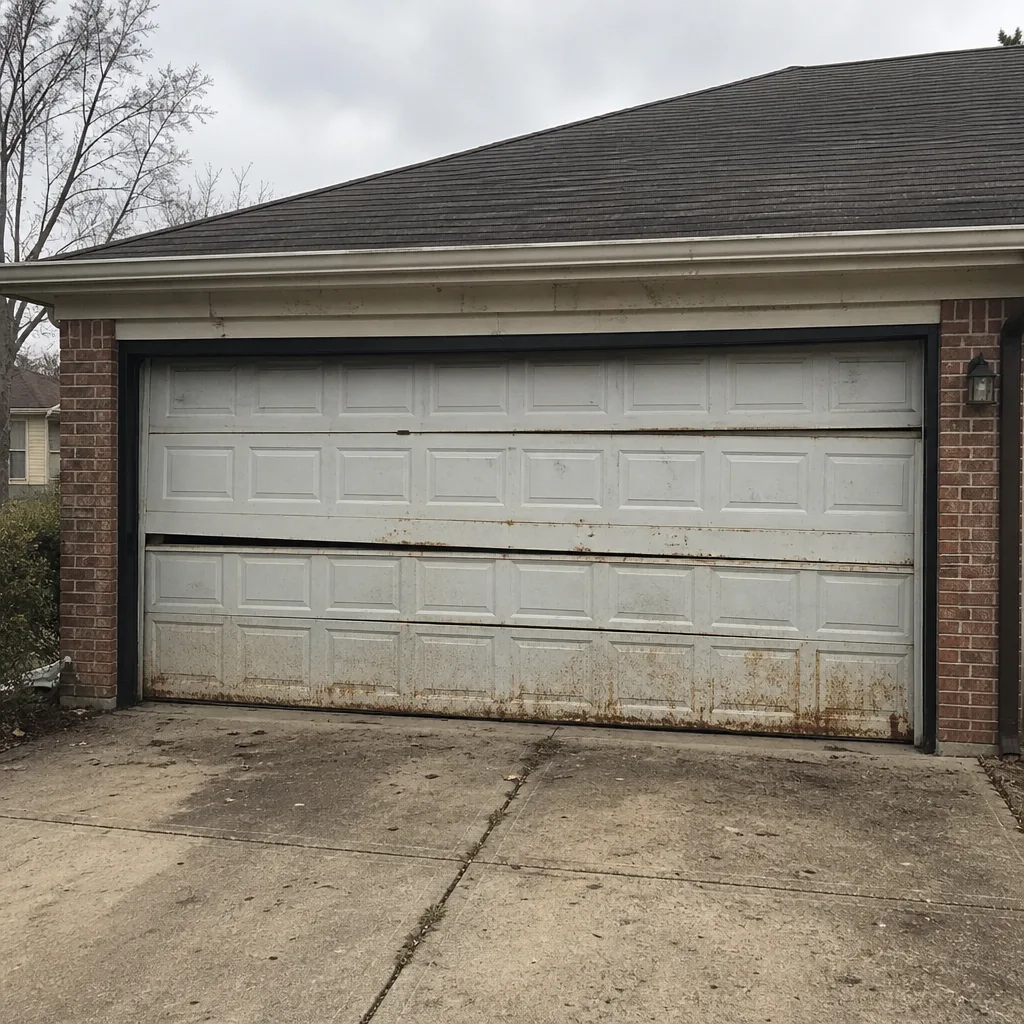
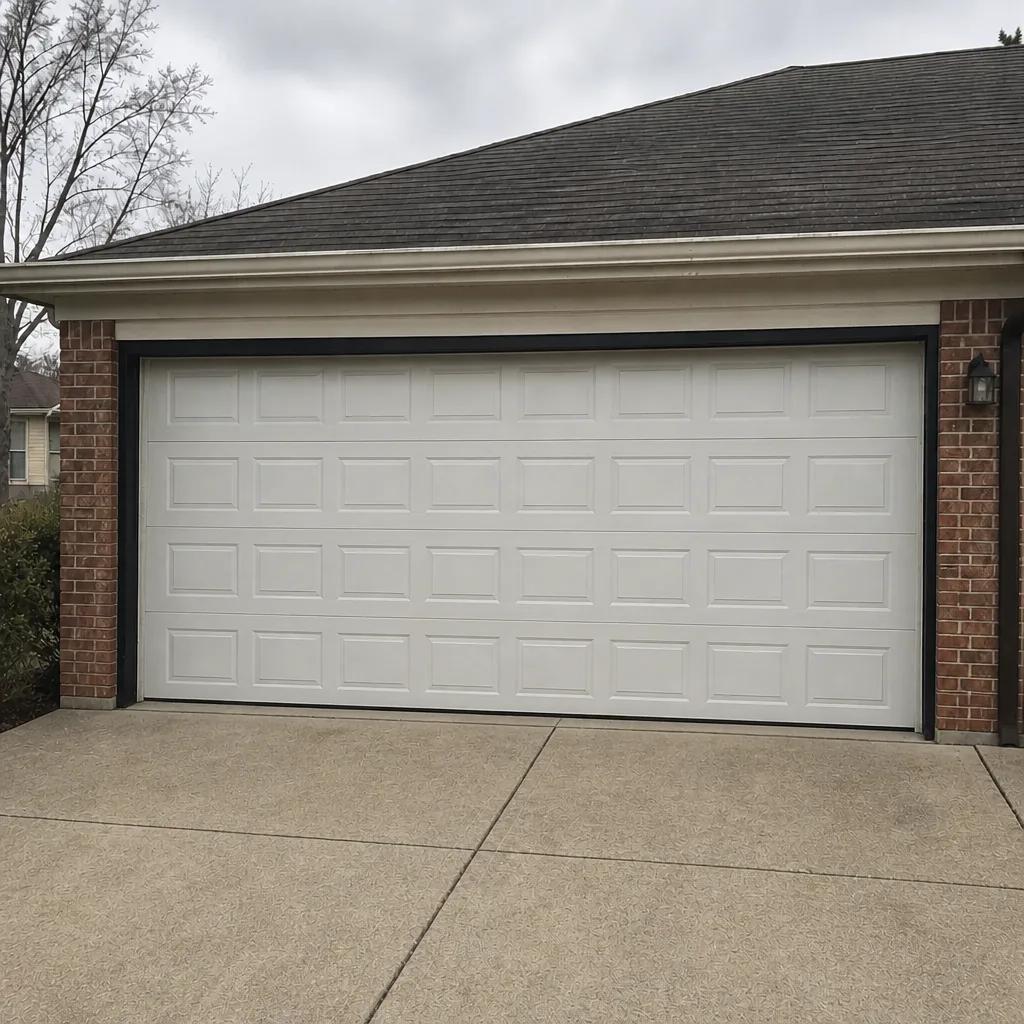
See the difference
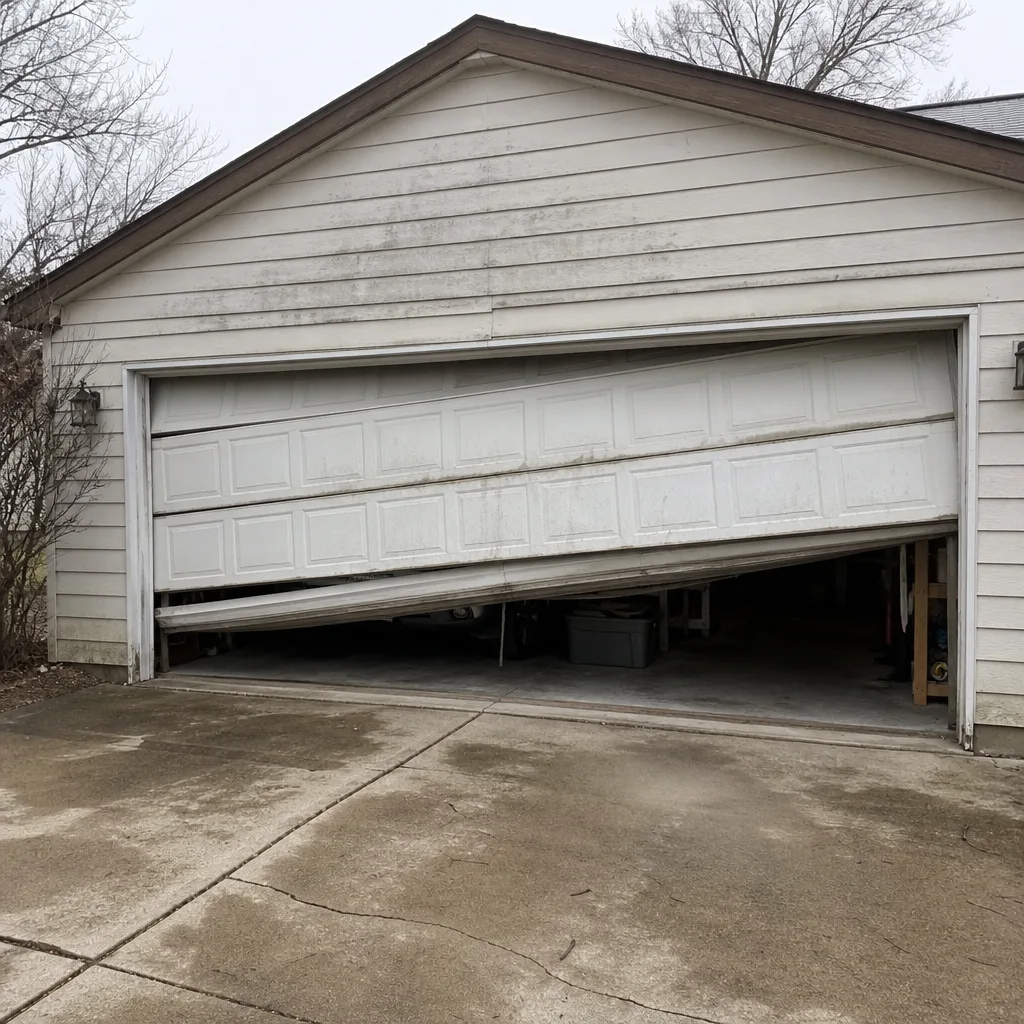 Before
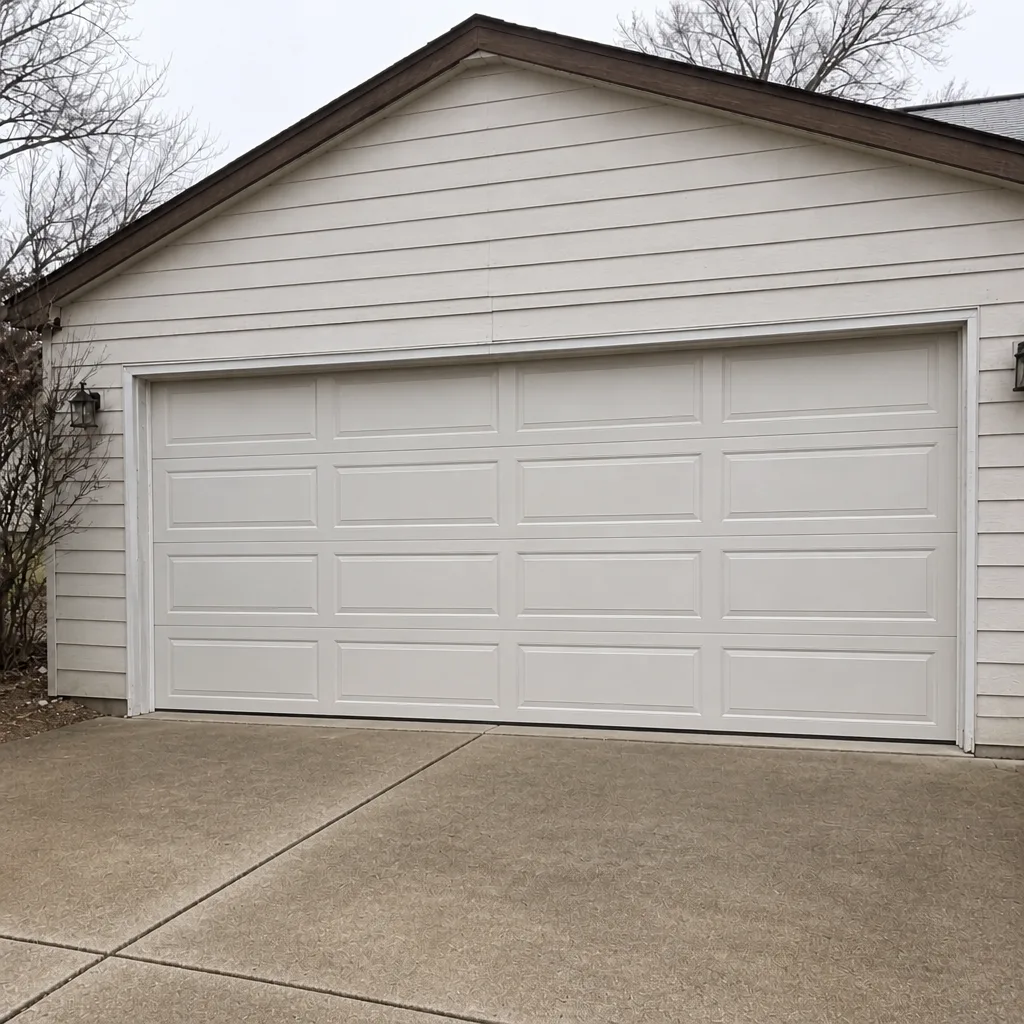 After
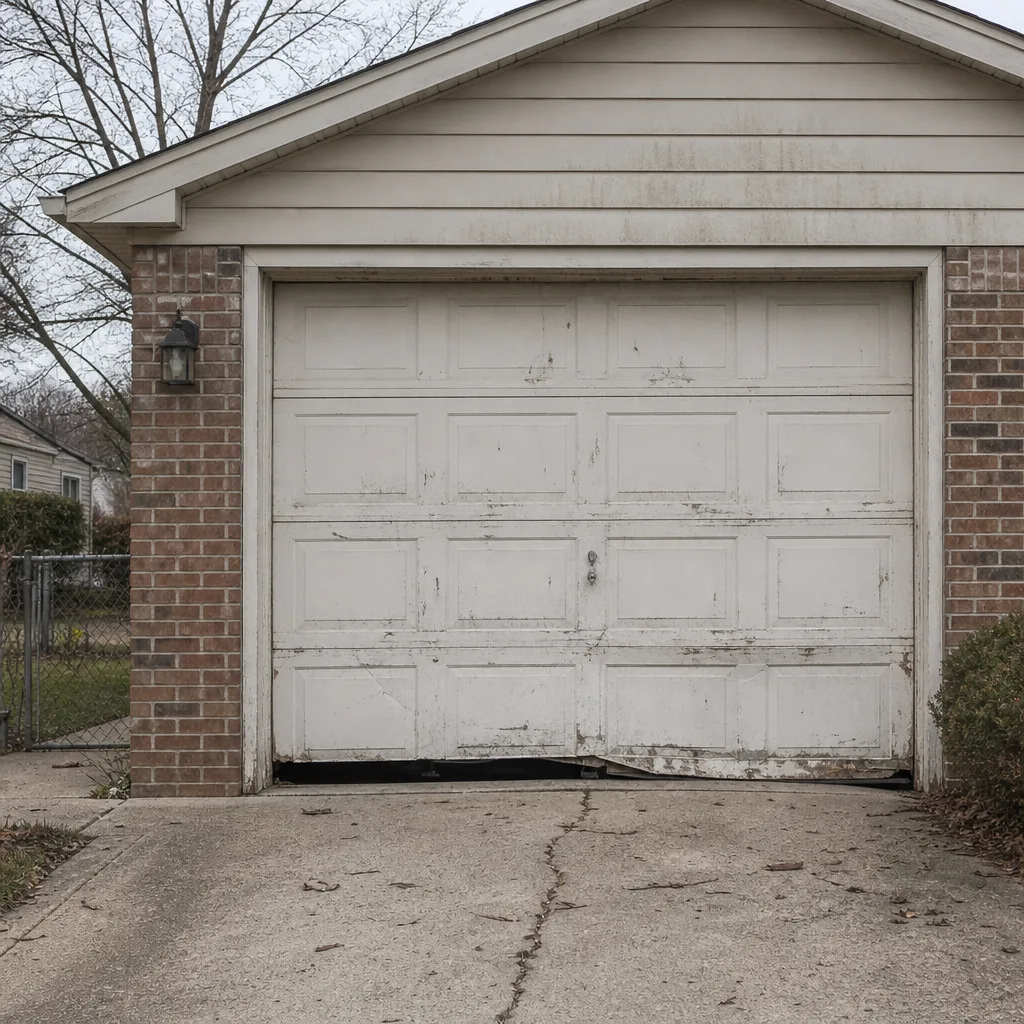 Before
 After
 Before
 After
Frequently Asked Questions
No. Indiana does not issue a specialty license for garage door repair or installation, so there’s no state garage-door credential to check. That means your own vetting process is the real screening, especially verifying general liability insurance and confirming that garage doors are the contractor’s core business rather than a side offering.
There’s no standard range because the price depends on the door, the spring type and whether one spring or a matched pair is needed. What matters more than the number is how the quote is built. Ask whether the estimate is for one spring or a pair, confirm the parts and labor are itemized, and make sure the price is agreed in writing before the work starts. Call (866) 616-9625 for an exact quote – estimates are free.
The specialist does spring and opener work as routine, recurring business, not as a favor. Ask what brands they work on, whether torsion and extension spring replacement is a standard service, and what happens if a repair turns into a full replacement. A specialist answers all three specifically and without hesitation.
Ask for a certificate of general liability insurance and check the name and effective dates on it. If the contractor uses helpers, ask about workers’ compensation coverage. Since Indiana doesn’t license the trade, insurance is one of the concrete verifications you actually can do, and a legitimate contractor provides it without friction.
It can, depending on what’s touched and how. LiftMaster and Chamberlain units in particular have proprietary components, and work performed incorrectly or by an unqualified service can cut into the manufacturer’s coverage. Ask before scheduling whether the repair affects your manufacturer warranty, and get the answer before the technician starts.
Sometimes, yes. We answer 24/7, and fast dispatch runs from 7am to 7pm, Sunday through Friday. A call outside those hours is booked into the next opening. For a trapped car, an unsecured home or a door that won’t close, call us and we’ll book the soonest opening.
The Bottom Line
Hiring a garage door contractor in Noblesville comes down to verifying what Indiana won’t verify for you. Confirm insurance, confirm the contractor’s work is garage-door-focused, ask the five screening questions, get a written itemized estimate, and insist on a written warranty. A matched pair of springs, not a single replacement. A quote agreed before the work starts, not after. A specialist who knows your brand and can carry the job through from repair to replacement. Do those things and you’ll filter out the wrong hire before anyone’s in your driveway. And if a spring lets go or a door comes off its track, call (866) 616-9625. We answer 24/7, with fast dispatch from 7am to 7pm, Sunday through Friday, and free estimates in Noblesville.
Written by the team at Noblesville Garage Door Repair Pros.