
Last updated November 21, 2026
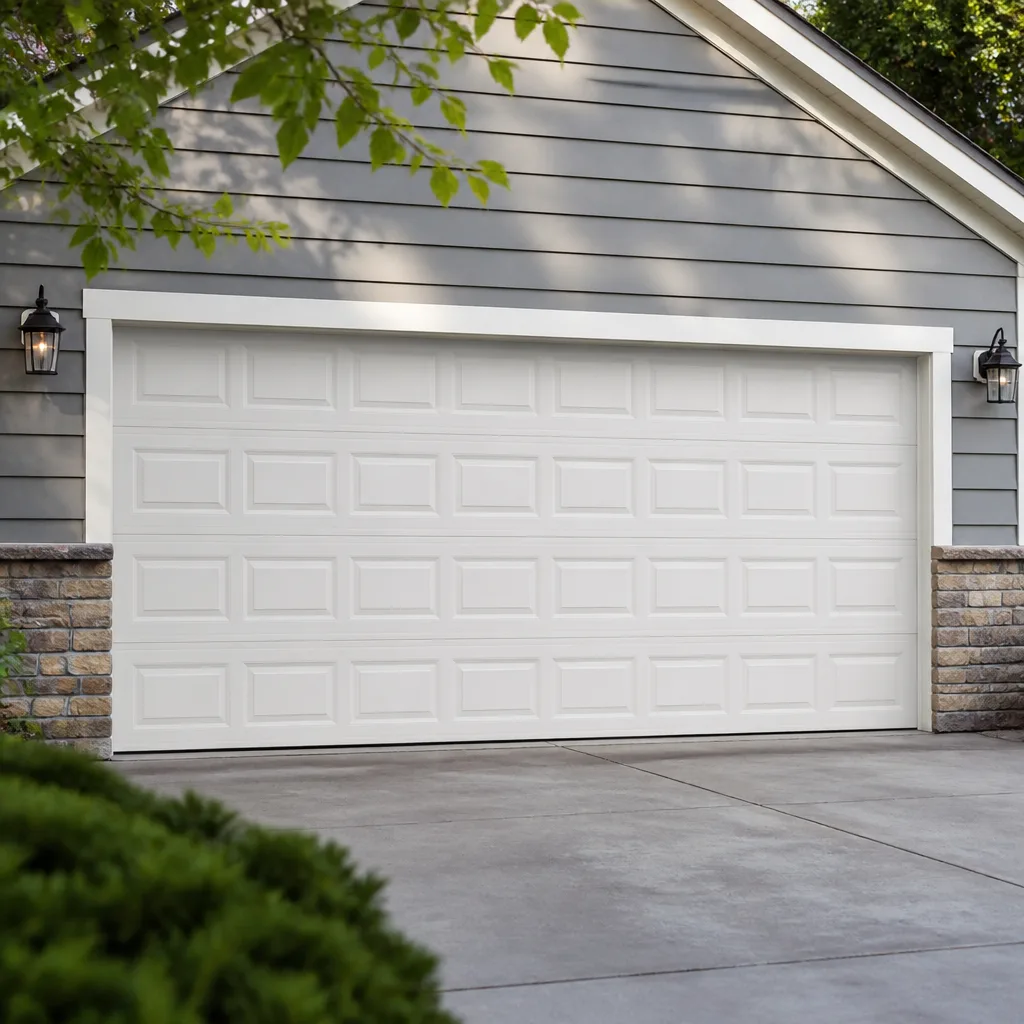 Raised-panel steel
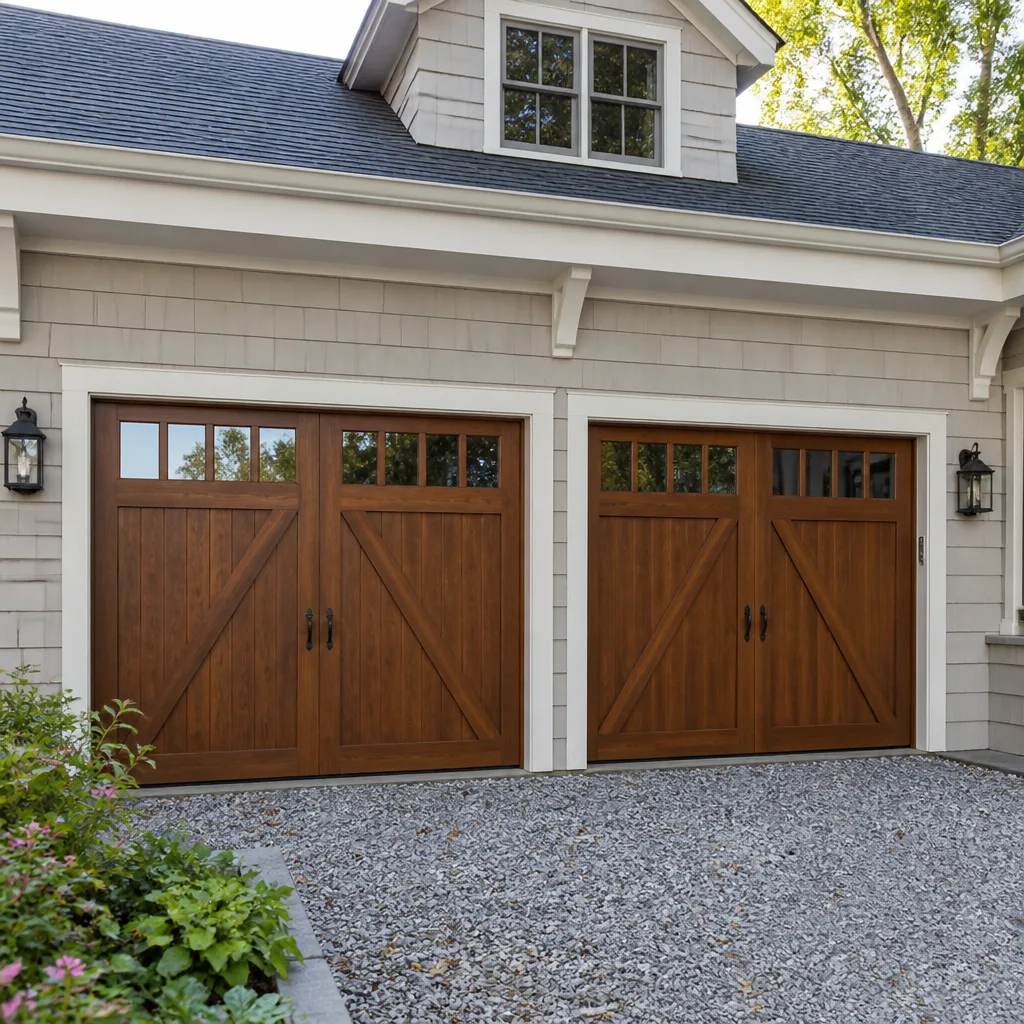 Carriage house
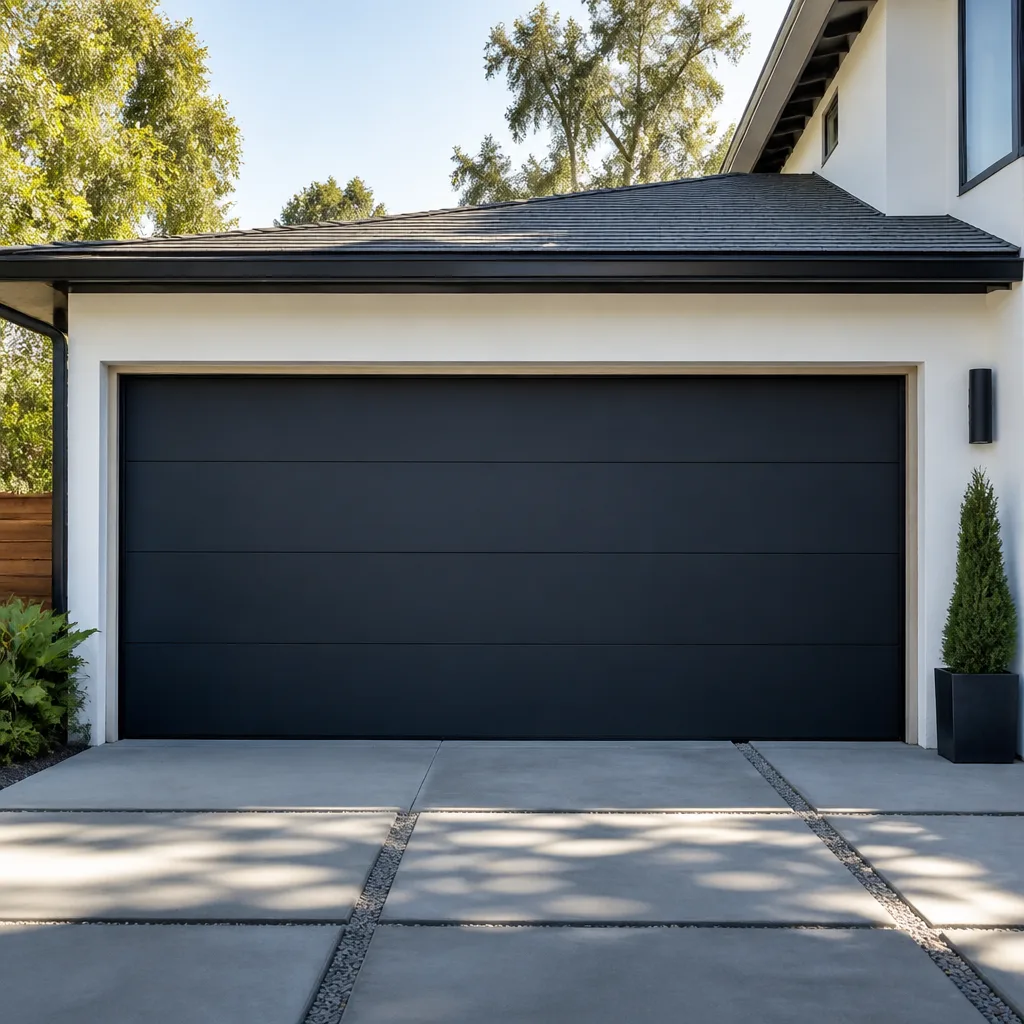 Modern flush
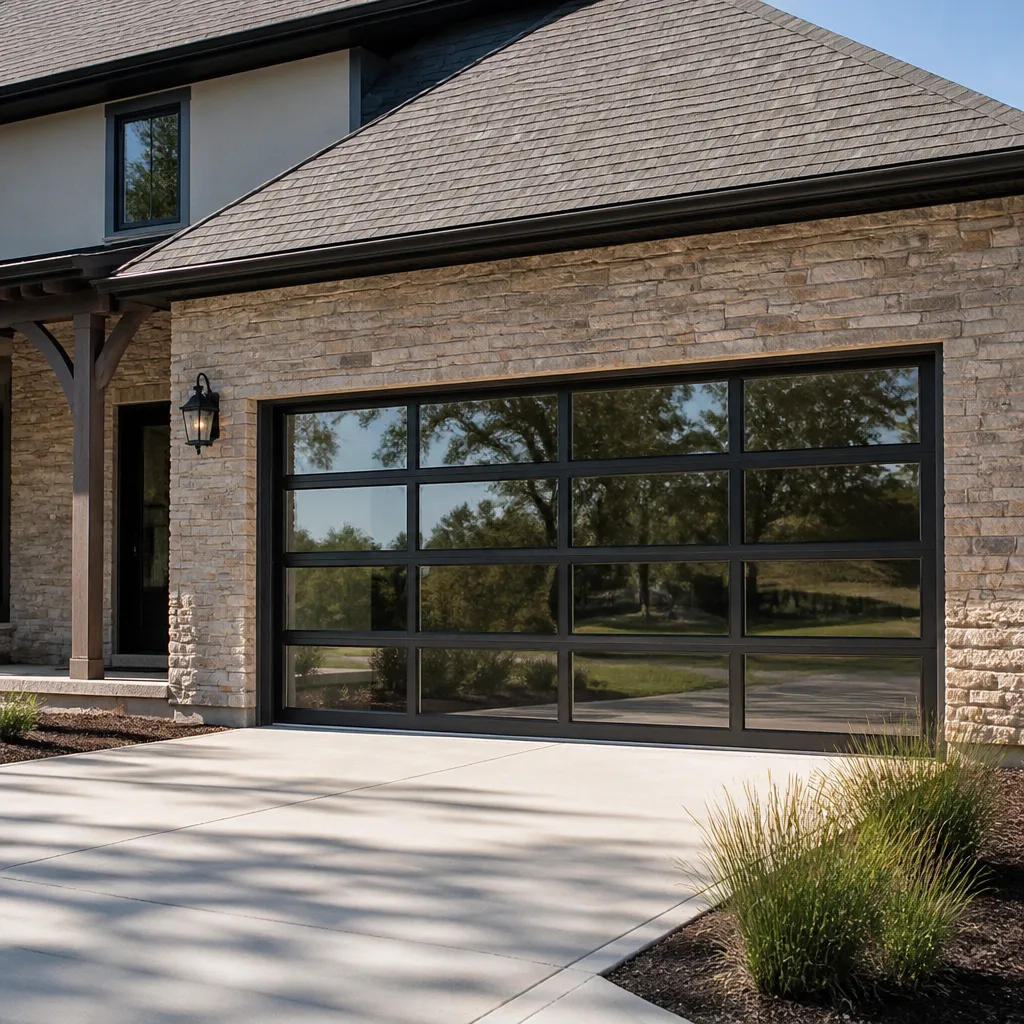 Full-view glass
 LiftMaster openers
 Chamberlain openers
Full 25-point door and opener safety check with every visit - springs, cables, rollers, tracks, and your LiftMaster or Chamberlain opener included
You get a price before we start. It does not change when the pro arrives.
Get your free estimateGarage Door Permits, Codes & Inspections in Noblesville, IN: What You Need to Know
Most Noblesville homeowners assume a garage door is maintenance, like swapping a light bulb. Then they replace the whole door, sell the house a couple of years later, and find the sale hung up in escrow because an inspector flagged work that never had a permit pulled. The permit itself is usually modest and the inspection is quick; the problem is that nobody told the homeowner one was needed. Noblesville Garage Door Repair Pros fields questions about this constantly, and the answers are more straightforward than the code language suggests. This guide covers when a permit actually applies in Noblesville, what the inspection looks like, how HOA rules stack on top of city code, and how to fix unpermitted work after the fact.
Quick Answer
In Noblesville, replacing a garage door (changing out the whole door, tracks, or the opening’s structure) generally requires a building permit through the City of Noblesville’s building department, while routine maintenance like spring replacement, opener repair, roller swaps, or replacing a single panel is normally treated as maintenance and doesn’t. Structural changes, new door openings, and alterations to the header or framing definitely need a permit. Because rules and interpretations can shift, confirm the specific scope with the city’s building department before work starts; the permit is inexpensive next to the resale headache of unpermitted work.
Styles & brands we work with
- Raised-panel steel
- Carriage house
- Modern flush
- Full-view glass
- LiftMaster openers
- Chamberlain openers
Table of Contents
- Does a Garage Door Replacement Need a Permit in Noblesville?
- What Triggers a Permit vs. What’s Maintenance
- What the Inspection Actually Looks Like
- How HOA Rules Overlay City Code on Door Style and Color
- The Real Risk of Skipping a Required Permit
- How to Permit Work That Was Already Done Without One
- Why Noblesville’s Climate Makes the Details Matter
- Frequently Asked Questions
Does a Garage Door Replacement Need a Permit in Noblesville?
Yes, a full garage door replacement generally requires a permit in Noblesville, while repairs and maintenance typically don’t. The dividing line comes down to whether you’re altering the structure, the opening, or the door system as a unit, versus restoring or repairing existing components. The City of Noblesville handles building permits through its building department, and the department is the authority on any specific job’s classification. If you’re unsure, ask them directly with the scope spelled out; a five-minute call saves months of grief later.
Here’s how the split usually falls in our experience:
- Permit typically required: a full replacement of the door and its tracks or hardware as a system, enlarging or modifying the opening, changing the header, adding a door where none existed, or any structural work to the garage framing.
- Usually maintenance (no permit): replacing torsion or extension springs, swapping an opener, changing rollers, hinges, cables, weather seals, or a single damaged panel.
- Grey area: replacing all sections and the tracks at the same time while leaving the opening structure intact. Some departments treat a full door changeout as a permit item regardless of the framing, so confirm the scope.
For Noblesville, this distinction matters more than it might elsewhere. Plenty of homes in the area carry original doors from decades past, and when those finally get replaced, homeowners typically upgrade to insulated steel or wood-look doors from Clopay or Amarr, often along with a new opener. That’s a replacement, not a repair, and it’s exactly the kind of job that draws inspection attention at resale. Pulling the permit upfront is the clean move.
What Triggers a Permit vs. What’s Maintenance
The simplest way to think about it: if the work touches the building’s structure or changes the door system as a unit, it’s a permit item. If it restores a broken component to working condition, it’s maintenance. The City of Noblesville’s building department applies that logic to garage doors the same way it applies it to other exterior changes. Let’s spell out the most common Noblesville scenarios.
Permit territory:
- Replacing the entire door plus the tracks, the way a contractor would install a new door on a home under renovation.
- Enlarging a single-car opening to fit a wider or taller door.
- Converting a carport to an enclosed garage with a new overhead door.
- Rebuilding or replacing the header above the door opening.
- Changing the door and track geometry so the door no longer fits the existing jambs.
Maintenance territory:
- Replacing a snapped torsion or extension spring.
- Repairing or replacing a garage door opener or its safety sensors.
- Swapping bent rollers, worn hinges, frayed cables, or a cracked panel.
- Adjusting the door’s balance or travel limits.
- Replacing weather stripping or bottom seals.
The key word for Noblesville readers is documentation. When a job is clearly maintenance, keep the invoice and note what was done. When the work touches structure, pull the permit before the technicians arrive so the inspection is a formality rather than a problem. Our own team walks customers through this distinction on every estimate because it affects the sequence of the job: permitted work is measured, applied for, and scheduled, not handled on the fly.
What the Inspection Actually Looks Like
The inspection for a permitted garage door replacement is usually quick. An inspector from the City of Noblesville’s building department visits after the work is finished and checks the door’s installation and safety, then signs off. It typically takes less than an hour, and the visit is scheduled rather than random. What matters is that the door is installed correctly, the safety features work, and the job matches what the permit describes.
Here’s what inspectors usually check, in our experience:
- Attachment and structure: the tracks, brackets, and opener are anchored into sound framing, not drywall or loose material.
- Door and track alignment: the door travels smoothly, sits flush in the opening, and doesn’t bind or wobble.
- Balance: the door holds its position when stopped partway open, a sign the springs are correctly sized.
- Safety reversal: an object in the door’s path triggers the opener to reverse. On newer openers this includes the photo-eye sensors; on older ones the inspector may check the mechanical pressure setting.
- Emergency release: the manual release cord functions, so the door can be operated by hand if the opener fails.
- Permit scope: the door and hardware installed match the plans and description on the permit.
The most common failure we see is a door with an unbalanced spring setup (the installer used the wrong spring size for the door’s weight) or a safety sensor that doesn’t stop the door when blocked. Both are correctable; both slow the job down when the inspector catches them. A specialist who works on Chamberlain and Genie openers every day knows how the safety systems are meant to behave and sets the door up to pass the first time. The goal is a pass on the first visit, not a scramble after a red tag.
How HOA Rules Overlay City Code on Door Style and Color
City code governs whether the work is safe and structural; HOA architectural rules govern whether your neighbors will accept the look. Those are two separate approvals, and a new garage door usually needs both. The City of Noblesville’s building department doesn’t regulate your color palette; your HOA likely does, and its architectural review committee has to approve the door before installation so you don’t install something and get a violation letter a week later.
In Noblesville, many subdivisions carry architectural standards that touch the garage door specifically. Common requirements include:
- Materials: some HOAs ban certain steel or wood-look finishes or require the door material to match the home’s other exterior trim.
- Color: often the door must match or coordinate with the home’s existing siding or trim, and some HOAs keep an approved color list.
- Style: raised-panel versus carriage-house style, window patterns, and hardware accents can all be restricted.
- Visible-from-street rules: a door that faces a main road sometimes carries stricter standards than a side-facing door.
The practical workflow looks like this: choose the door style and color first, submit the HOA architectural request with product photos and specifications (Clopay and Amarr both publish product sheets you can attach), get written approval, and only then pull the building permit. If the HOA denies the request, you haven’t spent money on a door you can’t install. We can supply the door spec sheet as part of a free estimate so your HOA package is complete, and the permit can be pulled once approval is in hand.
The Real Risk of Skipping a Required Permit
Skipping a required permit in Noblesville is rarely about the fine. It’s about what happens years later when you sell, when the buyer’s inspector notices a newer door with no permit on record, and the sale stalls while everyone figures out how to make it right. In our experience, the most common scenario is exactly that: a homeowner replaces a door as part of a broader update, doesn’t think of it as a permit item, and only discovers the gap at resale.
Here’s where an unpermitted garage door tends to create real problems:
- Title and escrow snags: a buyer’s title company or inspector flags the missing permit, and the closing is held while the seller retroactively permits the work. That’s a delay measured in weeks, not days.
- Insurance question marks: some carriers want to know that structural and safety work was done to code. An unpermitted door can complicate a claim or a policy review, depending on the carrier.
- Buyer leverage: an unpermitted job hands the buyer a negotiating position. What was a $45 permit becomes a credit request measured in thousands.
- Safety exposure: an unpermitted door may never have been inspected for balance and safety reversal, which are exactly the things a permit inspection catches.
- HOA violation risk: if the door also skipped HOA review, the violation can follow the property, not just the original installer.
Note the framing here: a garage door is high-tension equipment. Torsion springs store enormous energy, and a door that’s misbalanced or installed with the wrong hardware is genuinely dangerous to operate. The permit and inspection exist partly to catch that. A specialist who does spring work as a primary service treats the inspection as part of the job, not a nuisance.
How to Permit Work That Was Already Done Without One
If you’ve already had a garage door replaced without a permit in Noblesville, you can usually still permit it after the fact. The process is called a retroactive or after-the-fact permit, and it starts with the City of Noblesville’s building department. You’ll describe the work, submit what documentation you have (the installer’s invoice, product specs, photos), and the department will tell you what it needs to inspect and sign off. The timeline varies: some retroactive permits close within a few weeks, others take longer if the department needs additional documentation. Costs vary too, but the permit fee itself is typically modest compared with the resale consequences.
Here’s the realistic step-by-step:
- Gather your paper trail: the installer’s invoice, door model and specifications, any photos taken during the install if you have them.
- Call the city’s building department and explain that a replacement was completed without a permit. Ask what they need for a retroactive permit and whether an inspection is required.
- Submit the application and fee. The department sets the fee and timeline; ask them directly rather than guessing.
- Schedule the inspection. Expect the same checks as a normal job: attachment, alignment, balance, safety reversal, and emergency release.
- Fix anything that fails before the re-inspection. A specialist can bring a failed door into compliance, which is the same work we do on any repair call.
- Get the signed-off inspection report and keep it with your home records, so the paper trail is ready when you sell.
The main thing to avoid is ignoring the issue until the house is on the market. Discovering an unpermitted door at the start of a listing gives you time; discovering it during escrow gives you a deadline. If you’re unsure whether the work needs a permit, pull the invoice and call the department, or bring the details to us for a free assessment of what’s installed and whether it’s set up to pass an inspection.
Why Noblesville’s Climate Makes the Details Matter
Central Indiana’s freeze-thaw cycles are hard on garage doors, and that affects the inspection math. Springs, cables, and hinges work harder through a Noblesville winter than they do in milder climates, and the temperature swings stress the door panels, seals, and opener components. A door that was fine in October can feel stiff and out-of-balance by February, which is precisely the kind of thing a buyer’s inspector will note. The permit inspection isn’t just about the installation; it’s the moment to catch a door that’s wearing harder than it should.
What that looks like practically:
- More frequent spring and cable service: torsion springs in particular take a beating from constant temperature change, so balance should be checked regularly, not just at install.
- Seal and panel attention: the bottom seal and end weatherstripping crack faster when temperatures swing, which lets cold air and moisture into the garage.
- Opener strain: a door that’s slightly out of balance forces the opener to work harder, and that’s when Genie and Chamberlain units start failing early. Getting the balance right at installation protects the opener.
Our technicians have up to 12 years of experience with these conditions, and we’ve seen enough misbalanced doors to know how quickly a bad spring setup shows up. Schedule the installation for a time when the door can be inspected and adjusted, not rushed. If you’re upgrading to a garage door installation, the installation is measured, ordered, and scheduled before any work starts, with the price fixed by a written estimate so there are no surprises.
See the difference
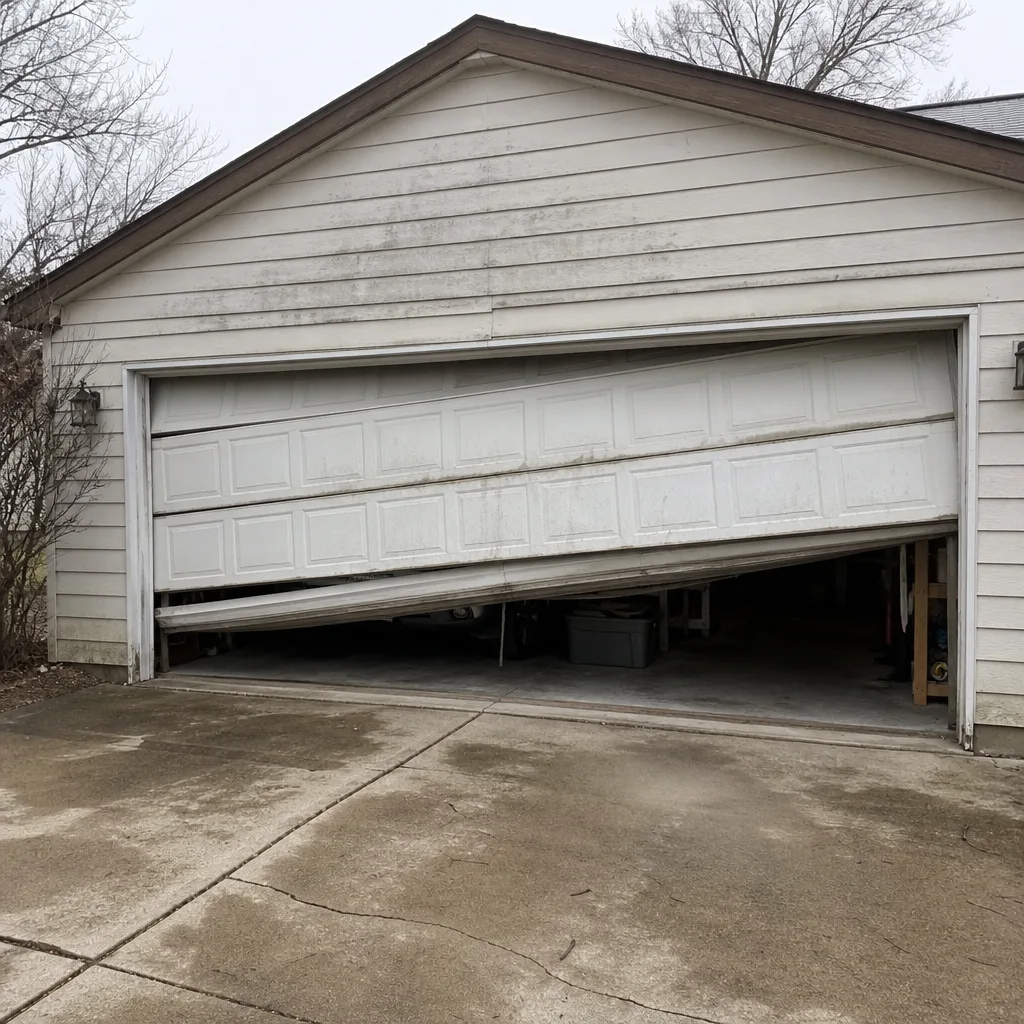 Before
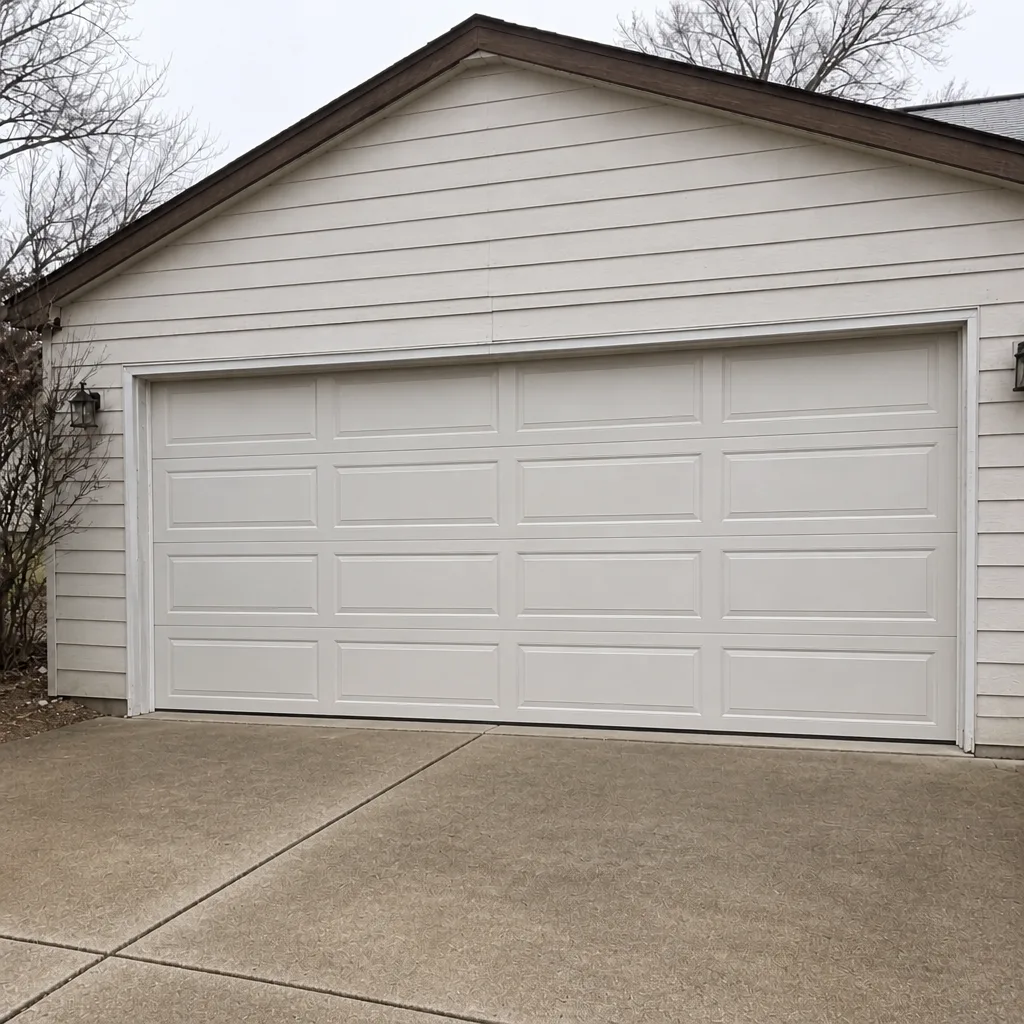 After
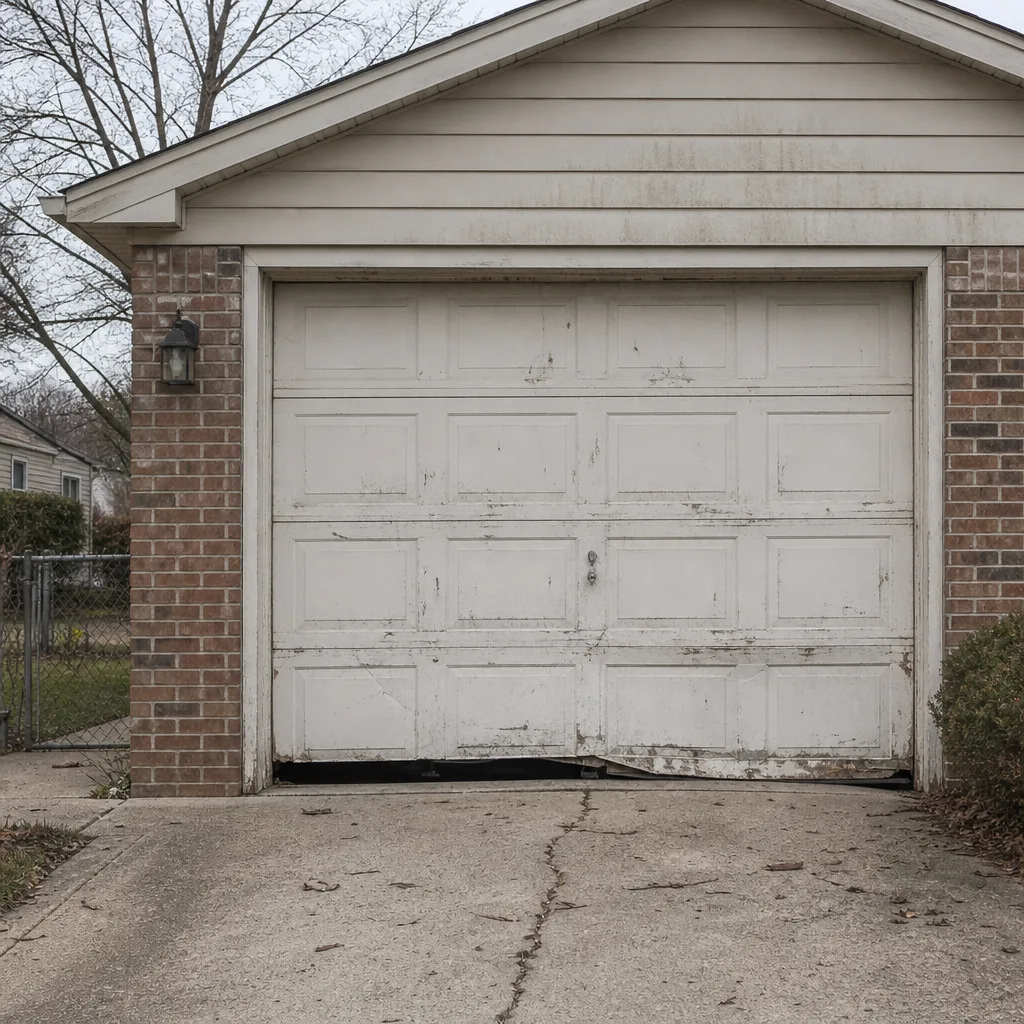 Before
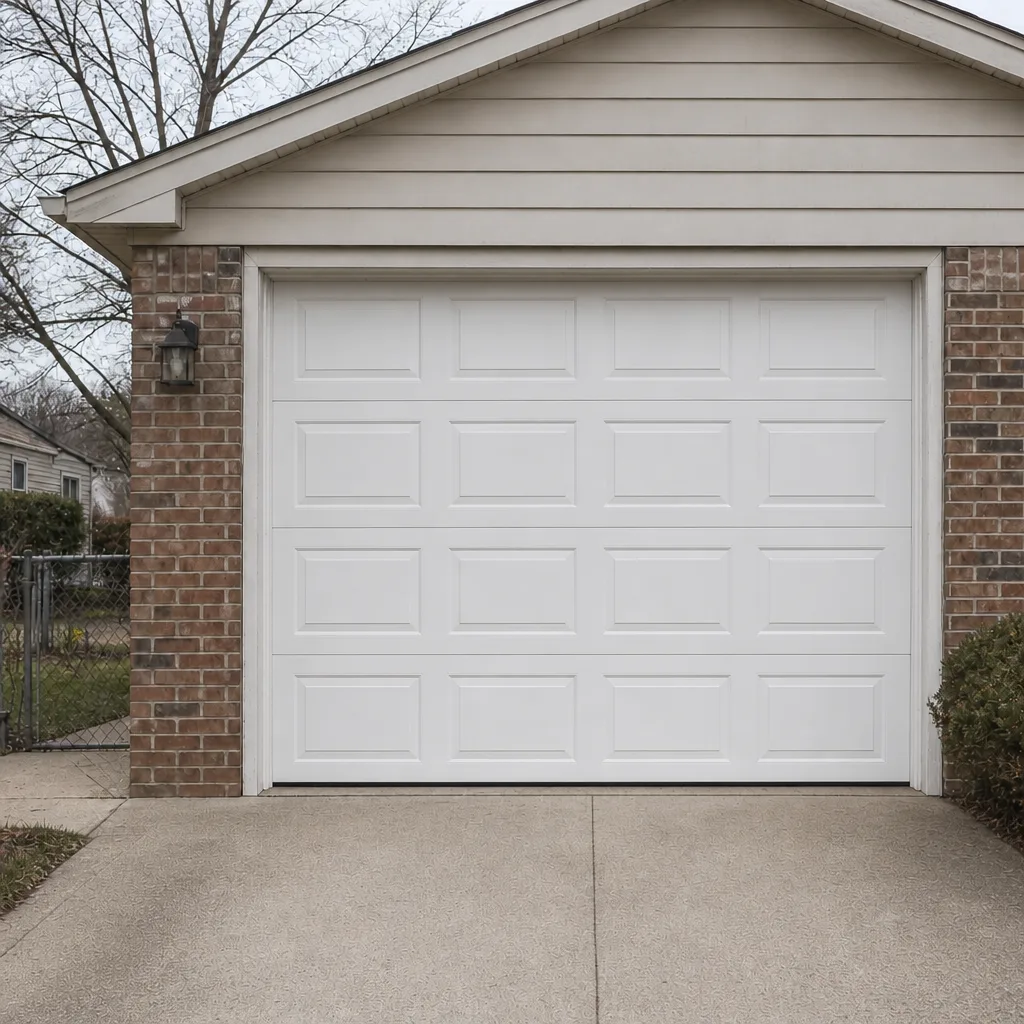 After
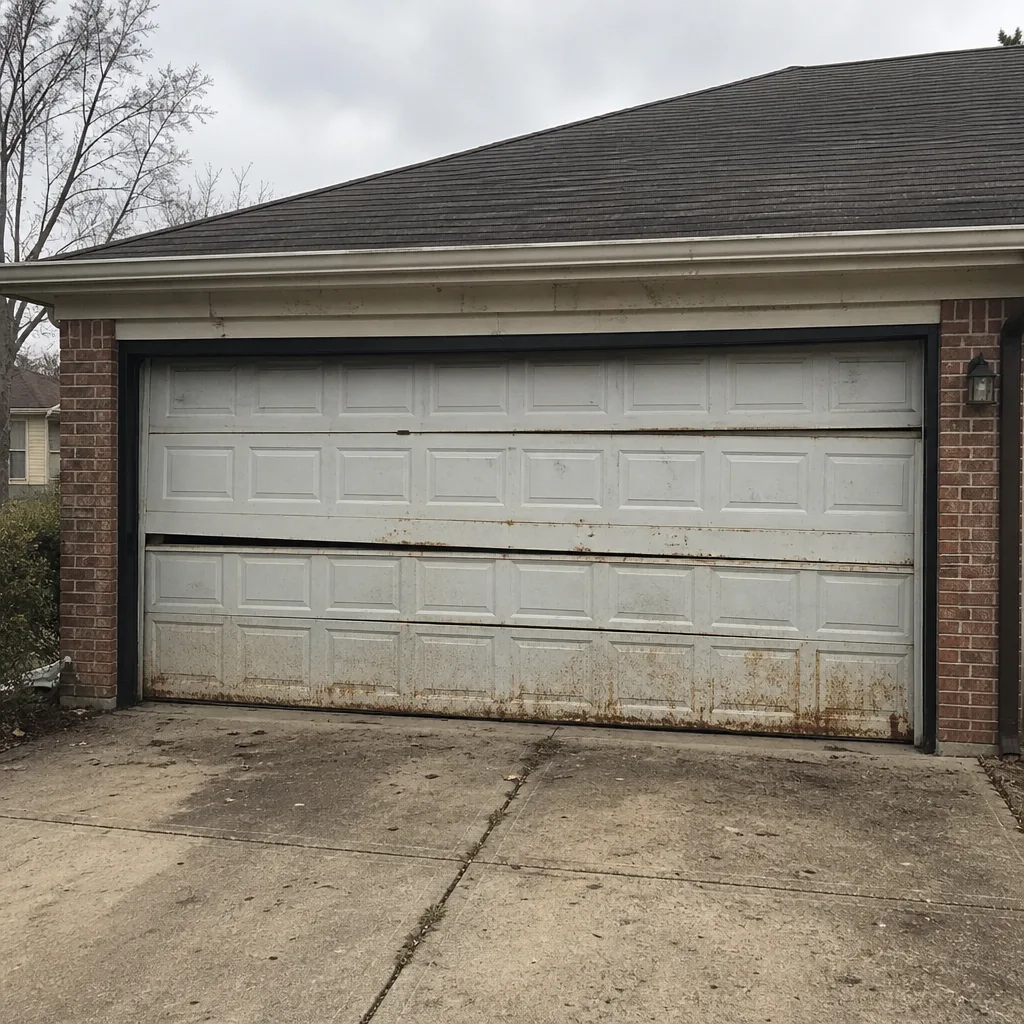 Before
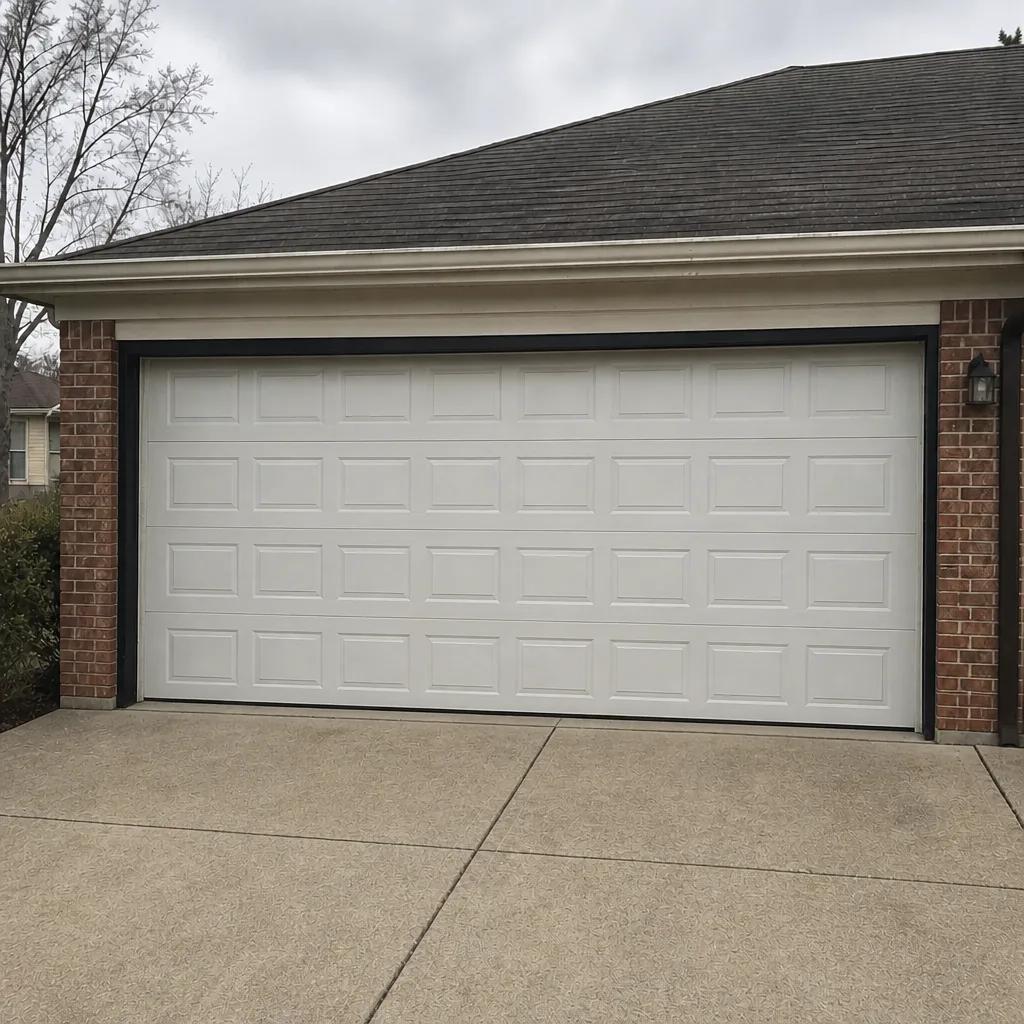 After
Common Mistakes to Avoid
- Assuming the door is always “maintenance.” Replacing the door and tracks as a unit is generally a permit job in Noblesville, even when the opening structure is unchanged. Confirm the scope with the building department before the trucks roll.
- Installing before the HOA approves. Getting city approval but skipping the architectural committee can land you a violation letter for a door you can’t easily change. Submit the HOA package first.
- Losing the installer’s invoice. That piece of paper is what gets you through a retroactive permit or a resale question. Take a photo of it and file it with your home records.
- Treating spring replacement as a DIY weekend project. Torsion springs are high-tension, high-risk equipment. This is one job where the cost of a professional is the whole point of hiring one.
- Letting a failed inspection sit. If the door doesn’t pass on the first visit, fix the issue before the re-inspection rather than debating the inspector. A quick correction is faster than a dispute.
- Skipping the balance check for a quiet door. A door that runs quietly can still be out of balance. The inspector checks balance for a reason, and so should you.
- Waiting until the listing to sort out unpermitted work. Retroactive permitting takes weeks, and escrow is not the moment to learn that. Address it early.
When to Call a Professional
Call a professional when the job involves a spring, a cable, the door’s balance, the opener’s safety systems, or any installation or replacement that might need a permit. High-tension springs and cables cause serious injuries when handled without the right tools and training, and a door that fails a safety check is a genuine hazard to anyone in the house. If you’re in the middle of a Noblesville permit process and want the door brought up to inspection standards, or you’re a seller facing an unpermitted door and need to know what’s installed, a specialist can diagnose it in a single visit. For repairs outside a permit scope, like a snapped spring or an opener that won’t respond, garage door repair is handled as normal service. Noblesville Garage Door Repair Pros offers free estimates in Noblesville – call (866) 616-9625. We answer 24/7. Fast dispatch from 7am to 7pm, Sunday through Friday.
Frequently Asked Questions
Generally yes. A full replacement changing out the door, tracks, or opening structure typically requires a building permit through the City of Noblesville’s building department, while spring, opener, and hardware repairs are usually maintenance and don’t. Confirm the specific scope with the building department before work starts. Call (866) 616-9625 for a free estimate that covers what’s installed and what the permit path looks like.
No, replacing a broken torsion or extension spring is treated as maintenance rather than a permit item in Noblesville. It restores the door to working condition without changing the structure or the door system. It’s still high-tension work best left to a trained technician. Call (866) 616-9625 for an exact quote – estimates are free.
No. The price you receive is set by a written estimate agreed before any work begins, and that written estimate sets the final price. We quote per job, and we don’t add anything on the day. If the scope changes because of something unexpected, we’ll tell you before doing the work. Call (866) 616-9625 for your free estimate.
The inspection visit for a permitted garage door replacement in Noblesville typically takes under an hour. The inspector checks attachment, alignment, balance, safety reversal, and emergency release, and signs off if everything passes. Fixes before the re-inspection are usually quick if a specialist does the adjustment. Call (866) 616-9625 to have a door brought up to inspection standards.
They’re separate approvals. City code governs structure and safety; your HOA’s architectural committee governs style and color. You need both, and the HOA submission should go in before installation so you’re not stuck with a violation letter. We can supply the door spec sheet (from Clopay, Amarr, or the brand you choose) as part of your HOA package. Call (866) 616-9625 to get the specs started.
You can, but the risk shows up at resale. A buyer’s inspector who notices a newer door with no permit on record can stall escrow while the work gets retroactively permitted, and that delay lands on the seller. The permit fee is typically modest compared with the consequences. Call (866) 616-9625 if you’re unsure what’s installed and whether it would pass an inspection.
Call the City of Noblesville building department and ask for a retroactive permit, then submit your installer’s invoice, door specs, and any photos you have. The department sets the fee and timeline and schedules an inspection. Fix anything that fails before the re-inspection. A specialist can do that adjustment; call (866) 616-9625 for an assessment of what’s installed.
The local pros we connect you with are licensed and insured as their state requires. Our team focuses entirely on garage doors, and our technicians have up to 12 years of experience with brands including Chamberlain, Genie, Clopay, and Amarr. Call (866) 616-9625 for an exact quote – estimates are free and the price is agreed before any work starts.
The Bottom Line
If a Noblesville job replaces the whole door, the tracks, or touches the opening’s structure, treat it as a permit item; if it repairs or restores a component like a spring or an opener, treat it as maintenance. Pulling the permit upfront costs relatively little, the inspection is quick, and the paper trail prevents the kind of escrow snag that comes from a newer door with no record behind it. Get your HOA approval before installation, keep your invoices, and if you discover unpermitted work, start the retroactive permit early. For the door itself, whether it’s repair, opener repair, spring work, or a full replacement, one call covers it. Call (866) 616-9625 for a free estimate. We answer 24/7. Fast dispatch from 7am to 7pm, Sunday through Friday.
Written by the team at Noblesville Garage Door Repair Pros.